


In communities like Aurora, education is never just about academics. It’s about belonging.
It’s about opportunity. It’s about whether families feel seen, respected, and connected to the environments where their children spend most of their days.
Over the years, through the work of African Leadership Group, I have had the opportunity to visit and volunteer at many different schools and learning environments across Colorado. Some are large and traditional. Others are small and highly specialized. What I have learned is that there is no single model that reaches every child in the same way.
Some students thrive in highly structured environments. Others flourish when learning feels more relational, hands-on, creative, or personalized. The real question is not whether one model should replace another. The question is whether our education system is flexible enough to create room for thoughtful innovation while still maintaining quality and accountability.
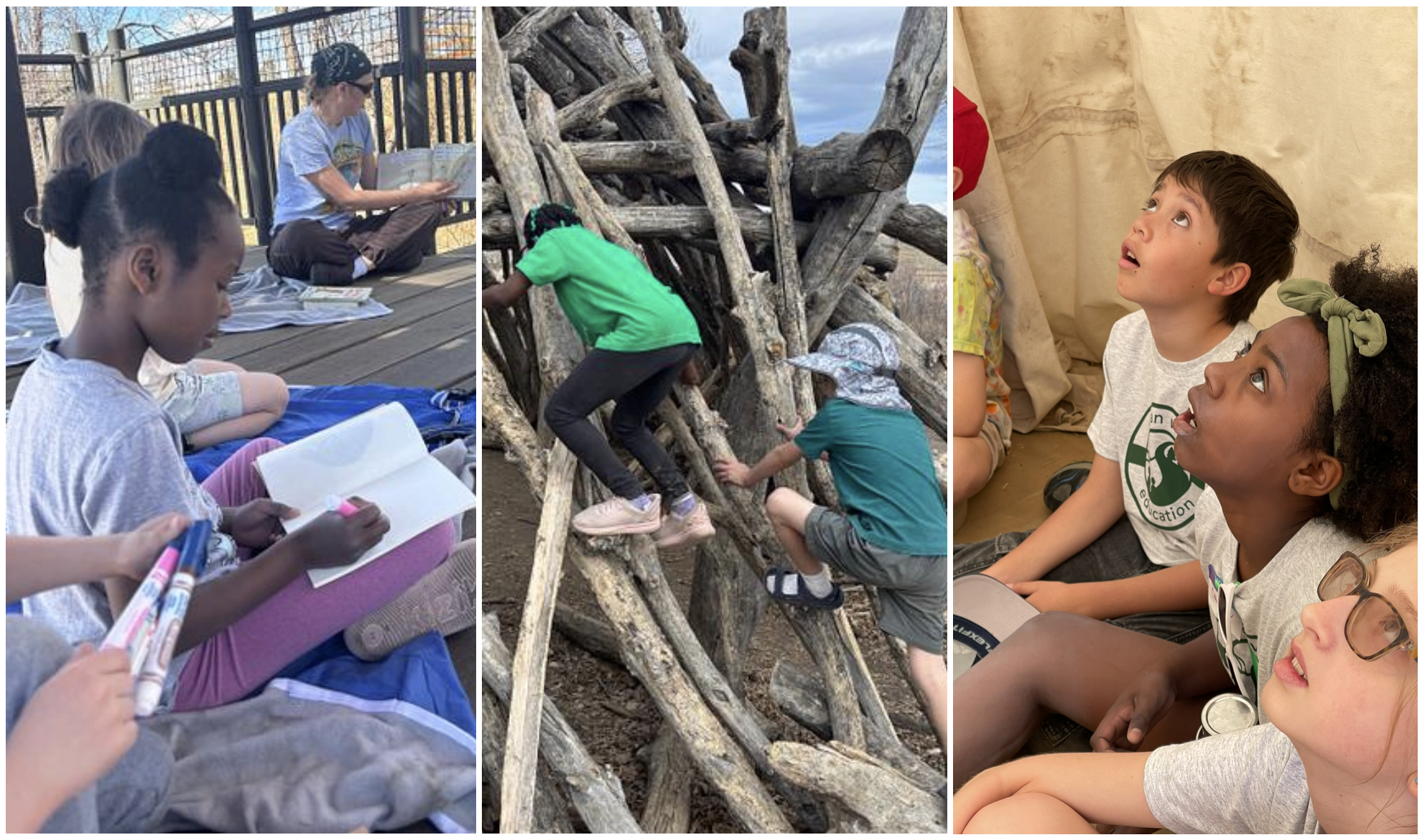
That is part of what I found compelling about Gran Via Education, a small Aurora-rooted effort working to create what would become Colorado’s first urban, public, tuition-free outdoor microschool.
At first glance, some may hear the phrase “outdoor school” and assume this is simply about children spending more time outside. But when you learn more about the model, it becomes clear that the deeper idea is about connection: to learning, to community, to nature, and connection between families and educators.
Gran Via’s approach is intentionally small, relational, bilingual, and experiential. Students learn through outdoor exploration, hands-on projects, social-emotional learning, and strong partnerships with caregivers. Families are not treated as spectators in the educational process. They are welcomed as partners in it.
In a diverse community like Aurora, that matters.
Aurora is home to families from all over the world, many of whom are searching not only for academic quality, but for school environments where their children feel understood and valued. Gran Via’s vision for bilingual and eventually multilingual programming reflects the reality of the community it hopes to serve.
One story that stayed with me involved a young student who immigrated to the United States from Haiti. After struggling in a previous school setting where the family did not feel fully welcomed or supported, they eventually found Gran Via.
According to her caregivers, the child is now thriving; building friendships, developing trust with adults, and rediscovering joy in learning and exploration. Her caregivers are able to remain engaged in the process and feel connected to the school community around her.
That story is not an argument that this model is right for every child. It is, however, a reminder that different children sometimes need different pathways to succeed.
Importantly, Gran Via is not proposing a massive school network or a one-size-fits-all replacement for traditional public schools. In fact, one of the most interesting aspects of the model is its intentionally small scale. In an era where many educational conversations focus only on size and scale, there is also value in asking whether smaller, community-centered learning environments might play an important role within the broader public education ecosystem.
Currently, in their pursuit of charter authorization, Gran Via is seeking release from Aurora Public Schools in order to pursue authorization through the Colorado Charter School Institute. I believe it deserves that chance, because this kind of innovation plays an important role in making sure Aurora families have as many high-quality options as possible.
Public education should have room for innovation alongside tradition. It should have room for experimentation alongside proven models. And it should have room for educators and families who are sincerely trying to build environments where children can thrive in different ways.
Whether a school is district-run, charter, large, small, indoor, outdoor, or bilingual ultimately matters less than whether students are growing, learning, and being meaningfully served.
As our communities continue to evolve, perhaps one of the most important questions we can ask is not whether every new idea will succeed — and I think Gran Via will — but whether our education system still has enough openness and courage to thoughtfully explore new possibilities at all.